

The Challenge
Unify siloed teams through consistent design
SRC, a research and technology company, supports a diverse range of products in the defense and intelligence industries.
Oftentimes, software came as a byproduct of the hardware they produce, used to operate and maintain their products. For this reason, SRC had never established a central design system for their software.
Our embedded partnership with SRC had allowed us to contribute UX design to several products simultaneously, which gave us a unique vantage point to identify the need for a design system.
What we discovered was that many products were still anchored to outdated design conventions and had not kept pace with modern UX standards, accessibility requirements, or military-specific guidelines. A few teams had started building internal UI libraries, but none had scaled beyond their own silos.
The Work
Here’s how we helped SRC
To create a strong design foundation, we teamed up with SRC’s design and engineering teams and started building alongside with the product lines we were already supporting. At a high level, we:
Key activities:
Audited SRC’s product landscape to identify shared design needs, which allowed to prioritize work according to most common use cases.
Dove deep into MIL-STD-1472 (the military’s primary human factors document) to ensure designs aligned to military-grade interaction standards.
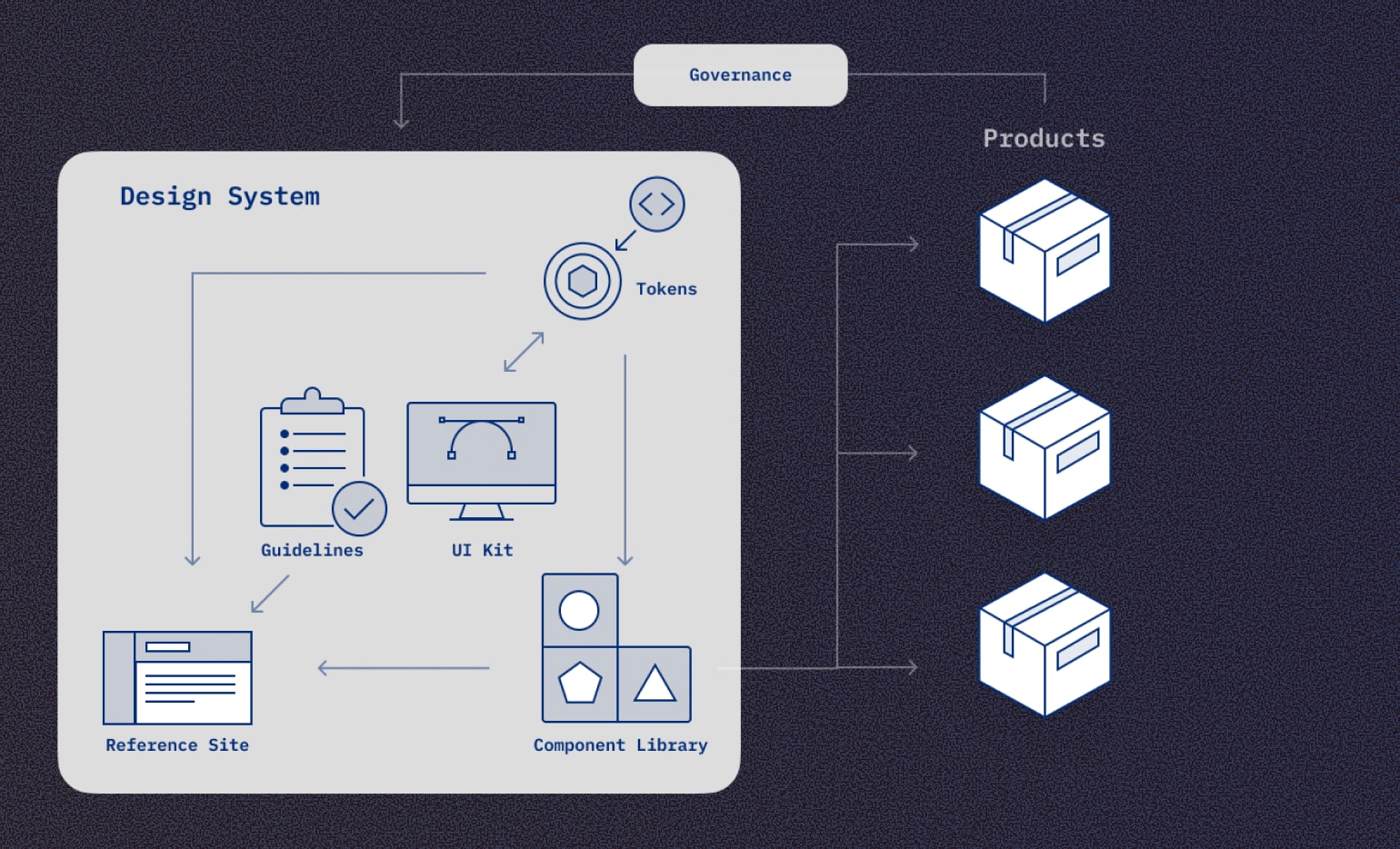
Wrote over 300 pages of design and development documentation which formed the basis for the company’s online design system hub.
Worked alongside engineering to support the development of a code sandbox and repository that matched the system’s guidelines.
Atomic Design
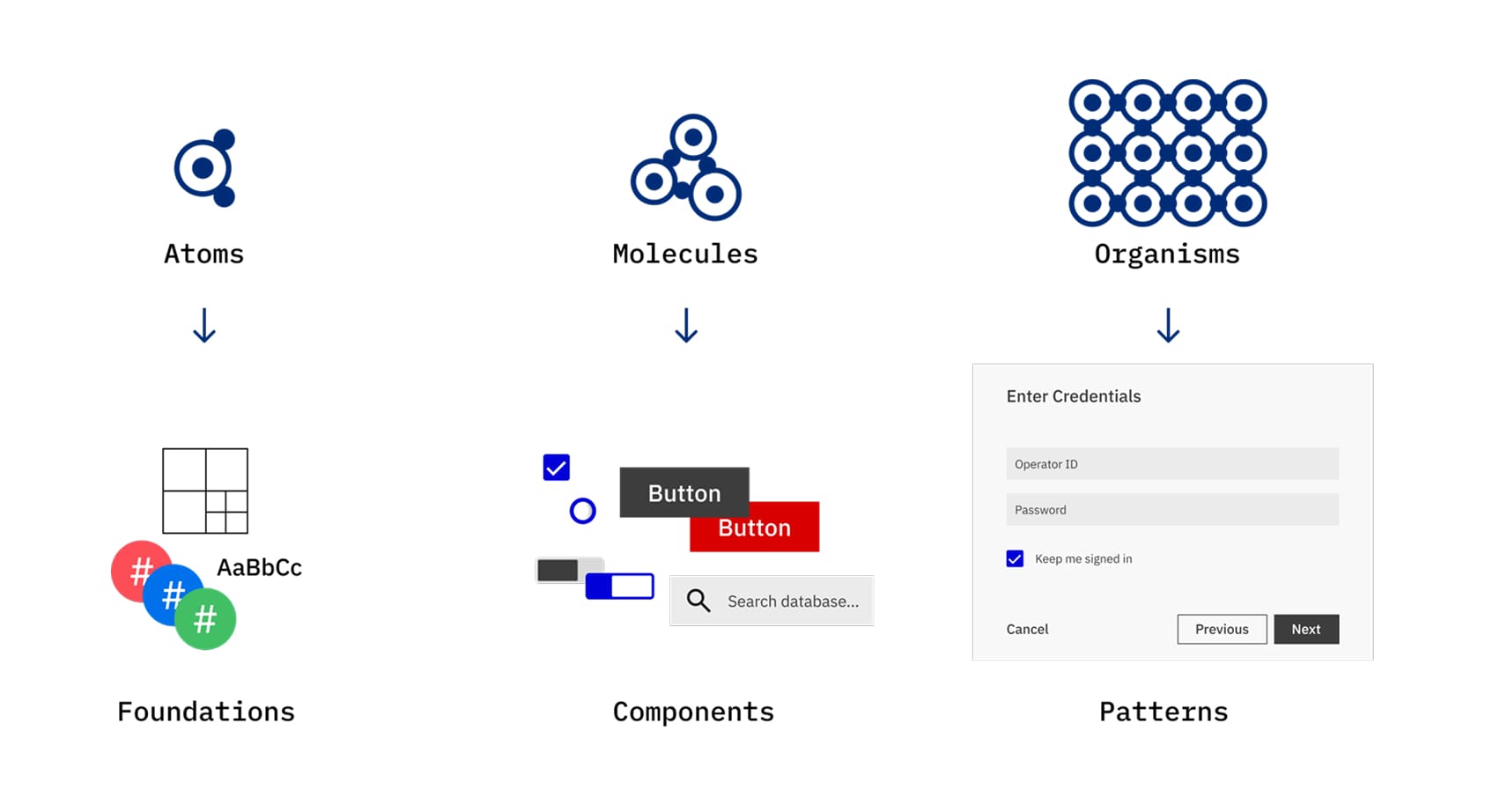
Beyond just building designs, we wanted to embed design system thinking at SRC. That’s why we structured the design system according to Brad Frost’s Atomic Design System model. Every element of the design system fell into one of three primary tiers: Foundation, Component, and Pattern. The goal of the atomic model is to ensure consistency, reusability, and scalability across a vast range of products.
The Impact
Usability scores increase by as much as 32%
To date, more than ten new products and legacy redesigns have adopted the design system. One product we helped build saw a 32% increase in usability scores over its legacy predecessor, highlighting the measurable impact of consistency and thoughtful user experience in mission-critical environments.


