

The Challenge
Uncover why dealers are struggling with their internal applications
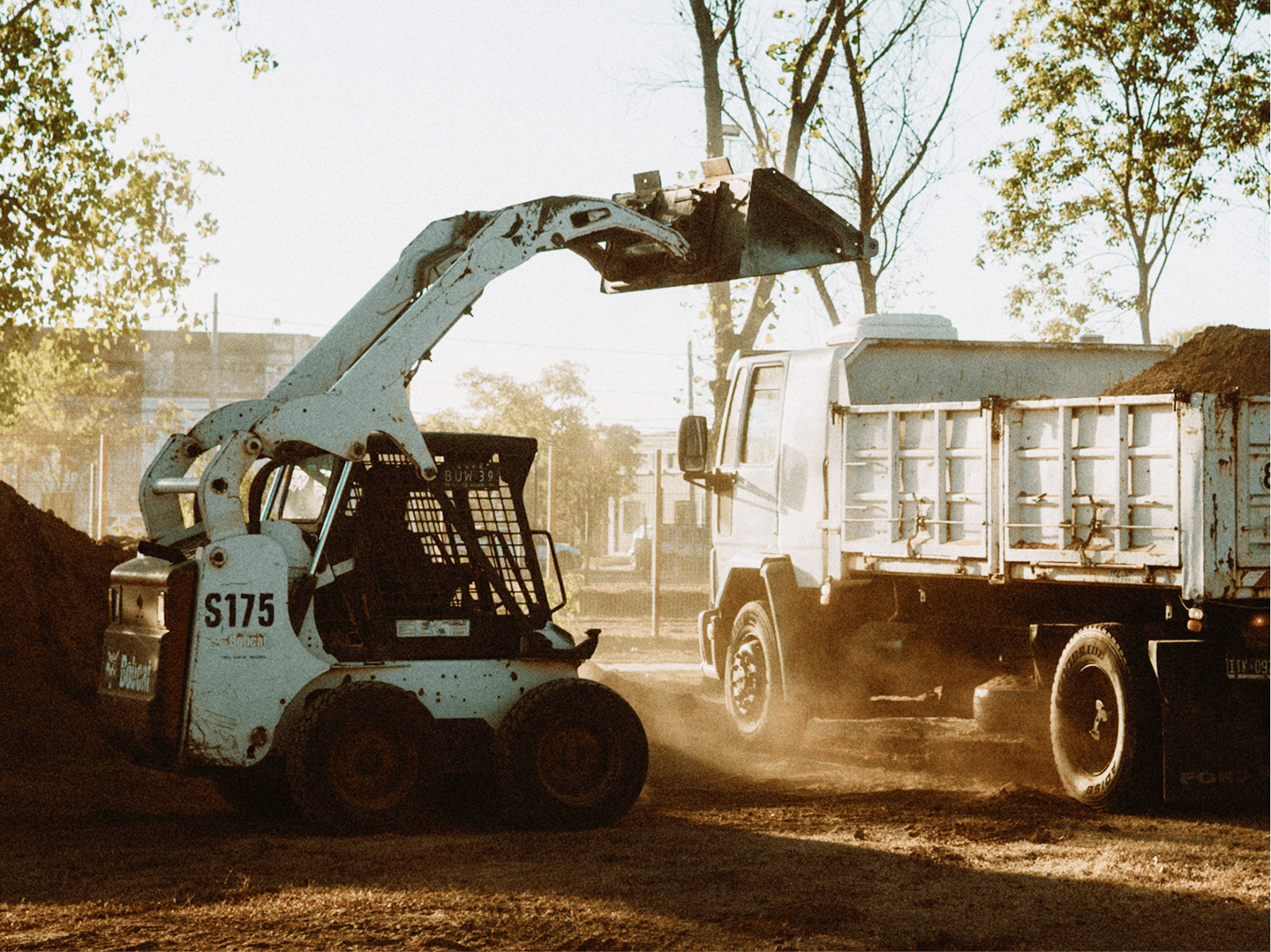
Bobcat designs, manufactures, and sells compact equipment like skid-steer loaders, excavators, tractors, telehandlers, and mowers. They are pioneers in the compact equipment industry, offering versatile machines and innovative technologies, including electric models and autonomous concepts, selling through a vast number of privately owned dealers. Hundreds of machines and equipment are seen, sold, or serviced at Bobcat dealerships everyday.
Dealers rely on Bobcat’s tools to quote, configure, sell, and service equipment. But over the years, new features and standalone utilities were added faster than teams could align them. This created a fragmented workflow that increased cognitive load, slowed down sales processes, and eroded trust in the system.
Bobcat needed a clearer, more coherent experience—one that respected the realities of dealer operations while preparing the organization for future digital expansion.
The Work
Here’s how we helped Bobcat
We approached the challenge as both a design and product strategy problem: understand the dealer workflow ecosystem deeply, simplify where complexity added no value, and build a scalable foundation the organization could grow into.
Key activities:
- User research and stakeholder interviews
- Persona creation
- Journey mapping
- Concept modeling
“Our initial task was to create personas and journey maps…What was great about this client is that they trusted us to take the appropriate steps through our human-centered process, which led us to identify greater opportunities for innovation we didn’t initially foresee.
We had the chance to create design concepts to give stakeholders a vision of the future state of their product and demonstrate how to utilize the new personas to help guide product strategy.”
 Matt Johnson Senior UX Designer & Developer at Visual Logic
In short, dealers couldn’t keep up because they couldn’t learn the system.
We visualized the entire dealer ecosystem—every tool, every dependency, every step. This exposed the structural issues behind the usability problems: redundant workflows, disconnected features, and inconsistent entry points.
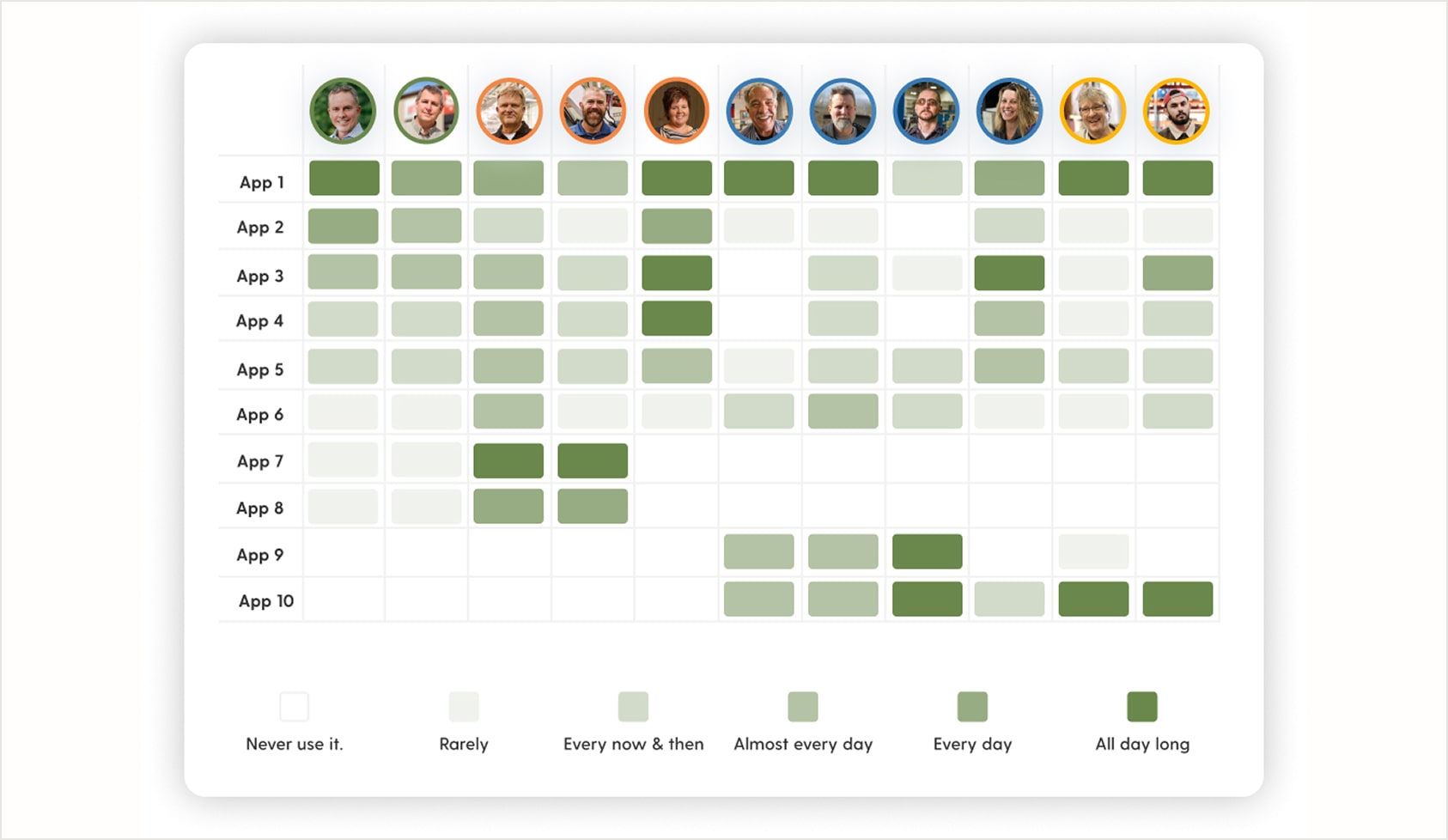
After interviewing over 20 dealers, we uncovered 3 key problems in their internal applications and workflows:
Disjointed Experience
- A lack of integration across apps used to accomplish various jobs created a segmented experience.
Minimal Recognition
- Users were required to remember work-arounds in order to retrieve key information.
Inconsistent Convention
- Many apps followed the Bobcat brand, but few followed the same UI interactions and conventions.
Our recommendation: The right information in one unified platform
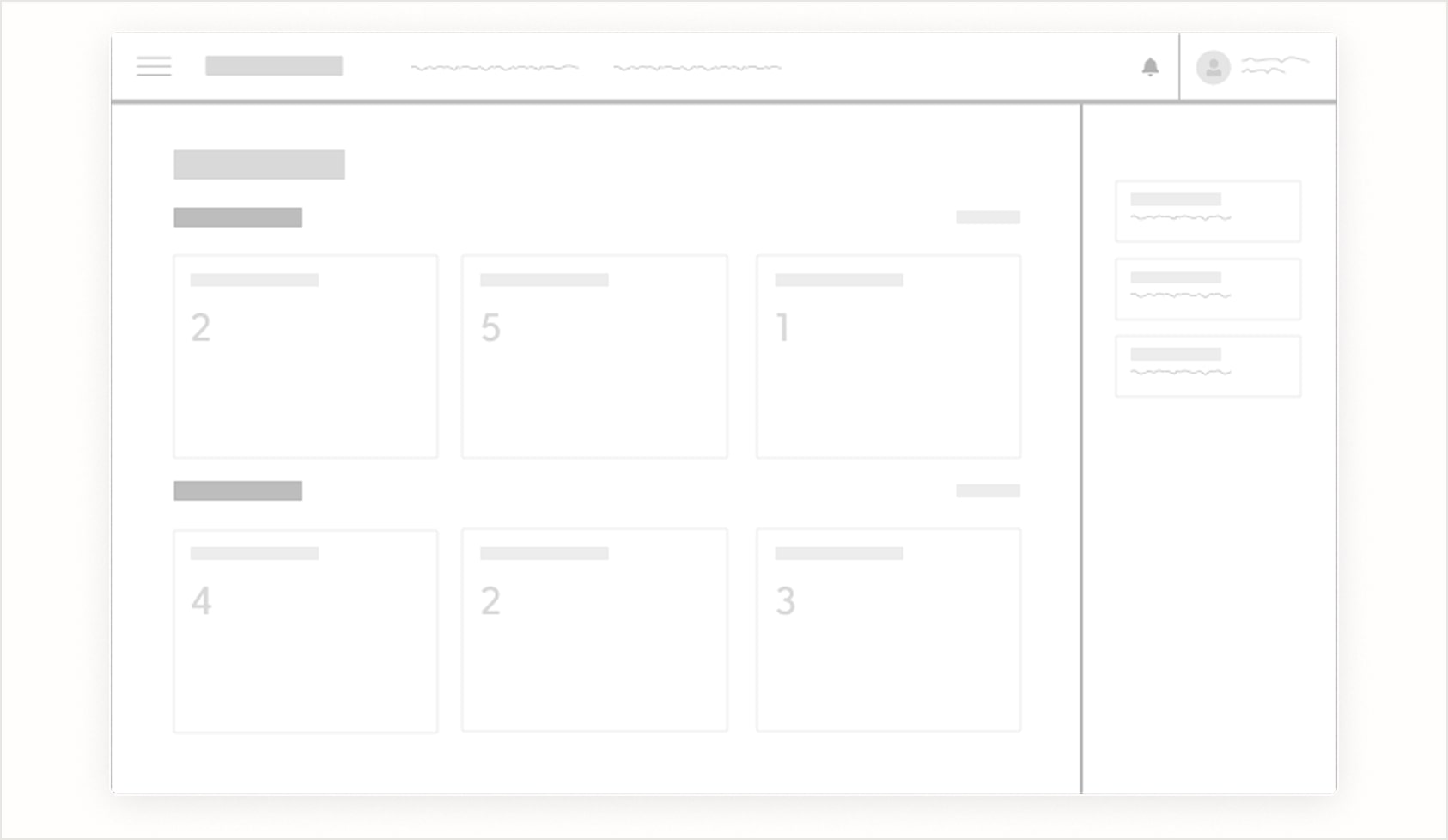
We recognized the pain points dealers were experiencing as they dug through too many apps, so we conceptualized a Bobcat Dealer Portal that gave them what they needed by:
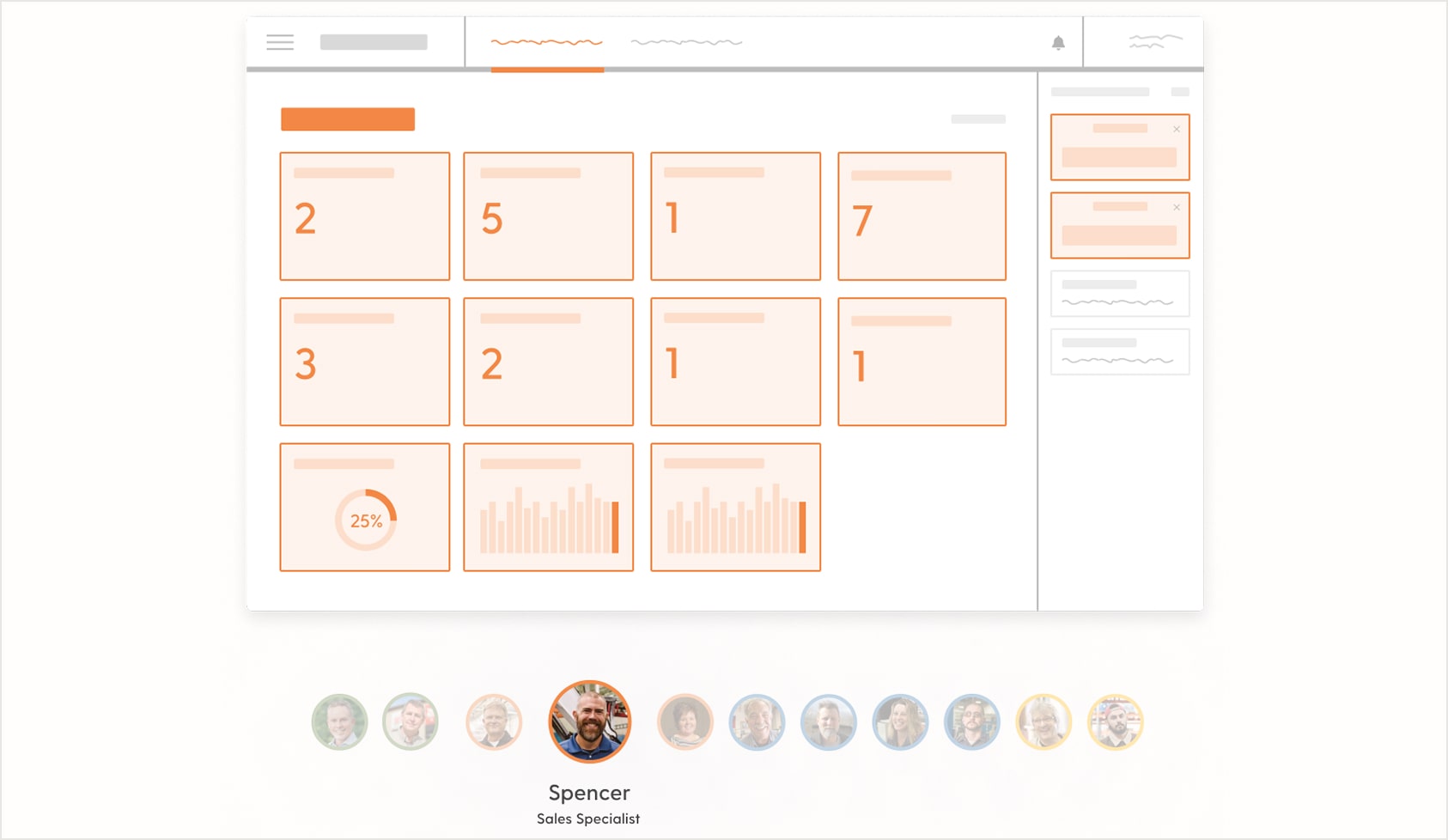
Each workflow now has a single, intuitive path forward instead of branching into confusing dead ends.
The Impact
A clearer dealer experience—and a scalable platform for the future
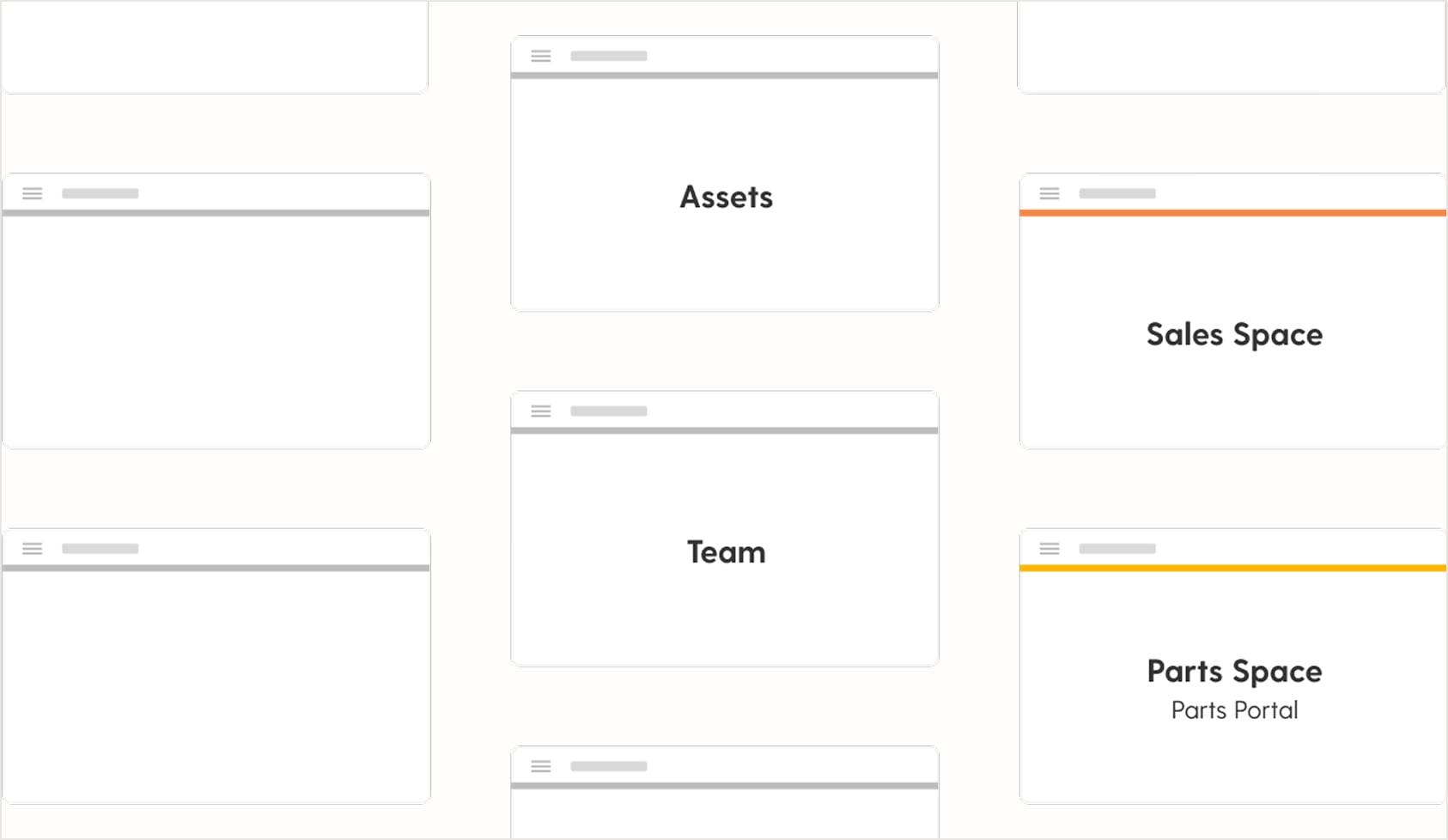
This concept wasn’t just a UI face-lift—it was infrastructure. We connected all apps under one dashboard for easy access and simple menu navigation, allowing users to prioritize and customize widgets to fit their own workflows.
This ecosystem gave Bobcat what it needed most: clarity, consistency, and confidence. Dealers would navigate workflows that match how they work in the real world. Internal teams would have a design system that accelerates development instead of slowing it down. Leadership would have a strategic foundation they could build on for years.
This work wouldn’t just improve a digital tool. It would increase trust, reduce friction, and unlock a clearer path for Bobcat’s digital evolution.
Leaders often ask: “How do we modernize without overwhelming the organization?”
Bobcat’s transformation shows that the answer starts with understanding the system, not the screens.


