
The Challenge
Digitally enable a new generation of missile defense warfighters
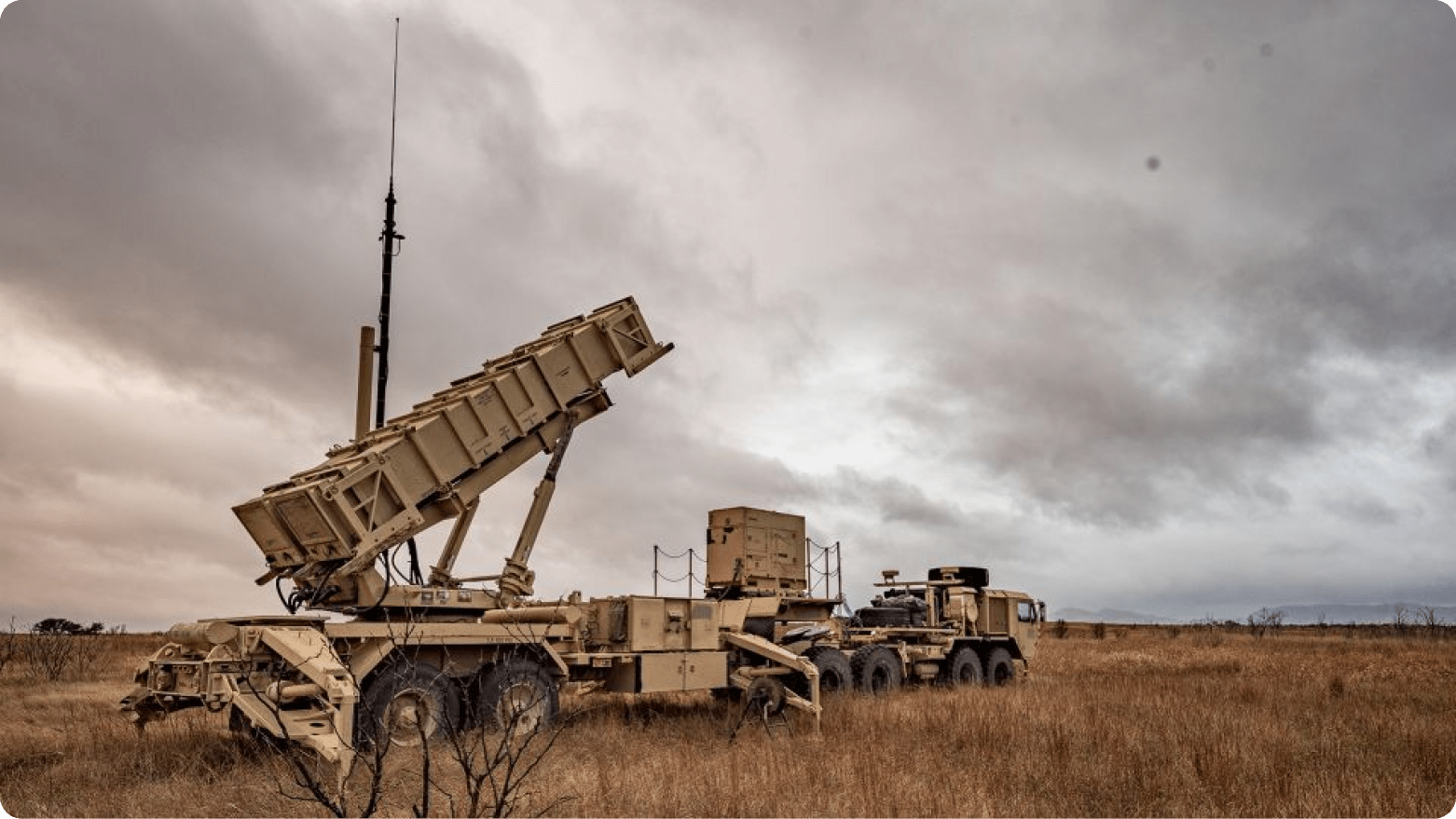
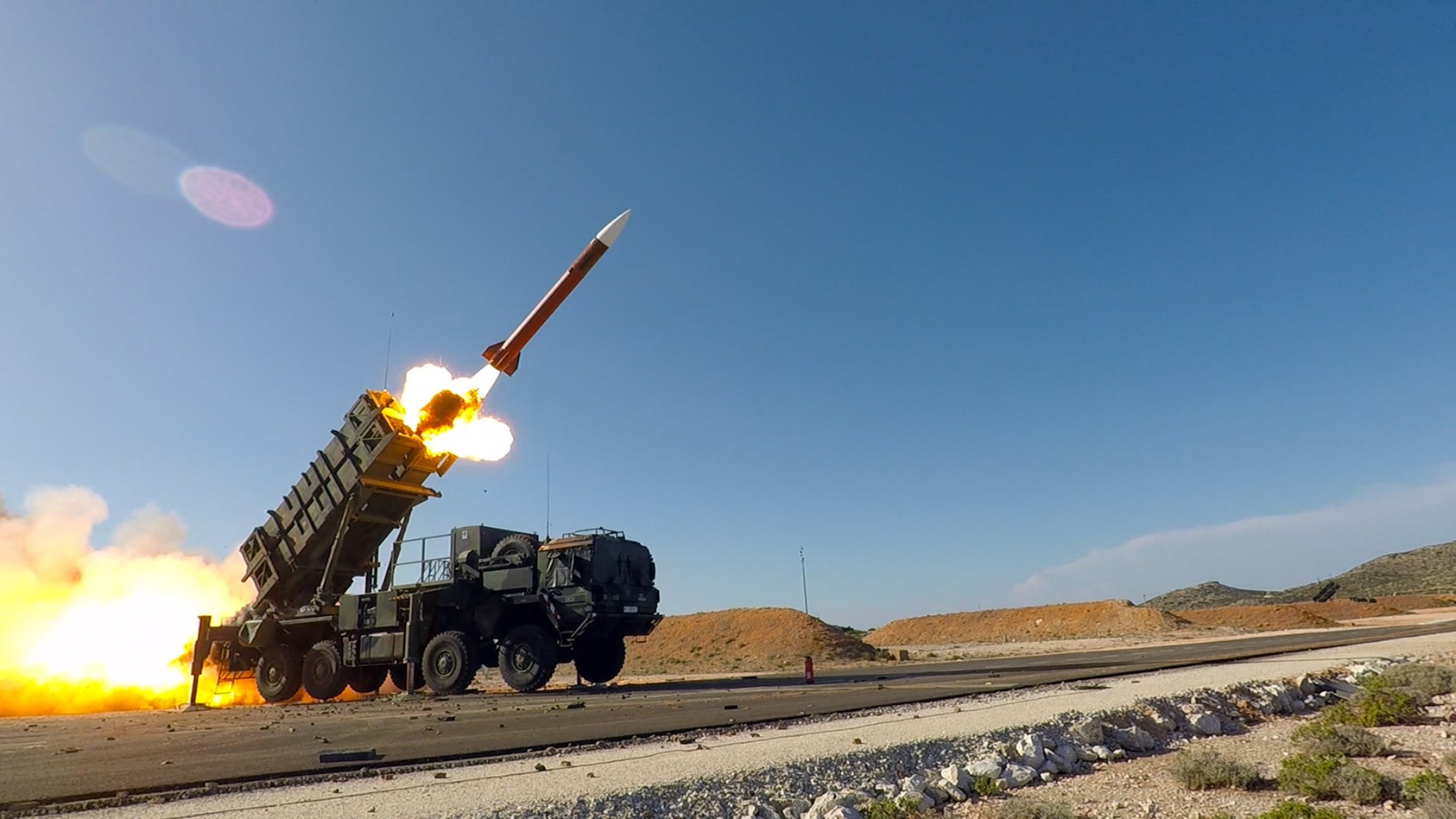
Raytheon has built an engineering marvel: an air defense system that identifies, tracks, and intercepts the most sophisticated threats from aircraft to hypersonic missiles.
However, their legacy C2 (command and control) was so complex, it took months of training before a soldier was even considered operational. The 2-D interface—referred to by one subject matter expert as “black and white spaghetti”—was designed in the analog era and never updated to consider evolving interaction patterns while personal computing and video games were rapidly reshaping our everyday digital experiences. The dated system offered no built in guidance, buried key information, and forced users to memorize thousands of settings. When you have mere seconds to act on an incoming threat, that kind of design isn’t just frustrating—it’s life threatening.
The Work
Here’s how we helped Raytheon
Key activities:
- User Research
- Observational Studies
- Journey Maps
- Information Architecture
- Interaction Frameworks
- UI Design
- Usability Testing
Our mission extended well beyond updating interface elements. It required a fundamental reassessment of how warfighters engage with critical systems under high-stress, time-compressed conditions. Key operational questions guided every decision: What indicators signal a potential threat? What level of confidence does the system provide? How much time is available to respond? These and other considerations could not be treated as optional.
We began with the individuals at the center of the mission: the warfighters. Observations, structured interviews, workshops, and continuous collaboration with subject-matter experts enabled us to capture their mental models, operational workflows, and friction points.
With this operational understanding established, we restructured the system around realistic decision cycles and employed progressive disclosure to ensure that only the most relevant information surfaced at the moment it was needed. Instead of displaying every airborne object, the system elevates anomalies. Instead of reproducing legacy analog controls, we applied modern 3-D spatial design principles aligned with the expectations and instincts of today’s digitally fluent force.
We didn’t just modernize the interface; we designed an instinctual experience that operators understood and preferred.
“During the tests, we were thrilled to see operators navigate the new WMI with little-to-no advanced training. The WMI displays complex information in an easy-to-understand way, helping Patriot operators make faster, better decisions that ultimately save lives.”
Tom Laliberty President of Land & Air Defense Systems at Raytheon
Watch how we intercept threats in 3D
We leaned into three-dimensional, game-like interaction design to create a familiar environment that felt like it mapped to the real world. In this video, the host provides a side-by-side comparison of the interface before and after Visual Logic came onto the project.
The Impact
A huge leap in confidence, trust, and instinct-level operations
It was clear the new C2 was a game-changer. Our redesign would allow new operators to get mission-ready faster than ever, which was a key objective for RTX and their customer.
Using the human-centered design process, we:
- Helped reduced the dependency on long training and manuals to operate the system
- Improved situational awareness and comprehension of the mission space
- Minimized cognitive load and operator errors
- Decreased the warfighter’s decision making timeline
The performance data below provides a clear view of the system’s impact.
System Usability Scale (SUS): Excellent
After use, the warfighters perceived the new C2 to be highly usable. Our overall SUS scores fell into the “Excellent” category, which is well above global industry average.
Task Completion Ratio (TCR): Significantly Improved
Throughout each scenario, the warfighter was asked to complete a sequence of tasks to achieve an operational goal. Our study demonstrated a leap forward in task completion without aid and support (from additional personnel or manuals).
Single Ease Question (SEQ): Very Easy
Following each task, the warfighter was asked to rate how easy they felt it was to complete. Our averaged scores across all tasks were rated “Very Easy.”